Start with a goal, not a game name
The right game for your brand may not be the one drawing a crowd at someone else’s booth. Pick one main goal first, and the right game becomes clear.
| Main goal | Game format that fits | Try it |
|---|---|---|
| Help people understand what makes your product stand out | A quiz game that uses each answer to tell the product story | Play Quick Quiz |
| Help people remember several product models | A memory match game | Play Memory Match |
| Make the booth lively, with a crowd watching | A catch game or a timed tap game | Play Catch or Tap the Right Item |
| Give away prizes and collect contacts | A lucky wheel with sign-up before each spin | Play Lucky Wheel |
| Get people moving, in a scene they want to photograph | A motion-sensor game on an LED wall or projection | See the LAZADA Run project |
Passers-by should get it in seconds
In an event hall, people decide very quickly whether to stop or walk on. A good game shows how to play at a glance, without long rules, and the people watching enjoy it too.
Short, clearly timed rounds keep the queue moving. When you estimate the queue, count the time to explain the rules, change players, and hand out prizes, not just the time in the game. A hypothetical example: 45 seconds of play plus 15 seconds to change players makes one minute per round, so one screen can take at most 60 rounds an hour.
Screens, space, and controls
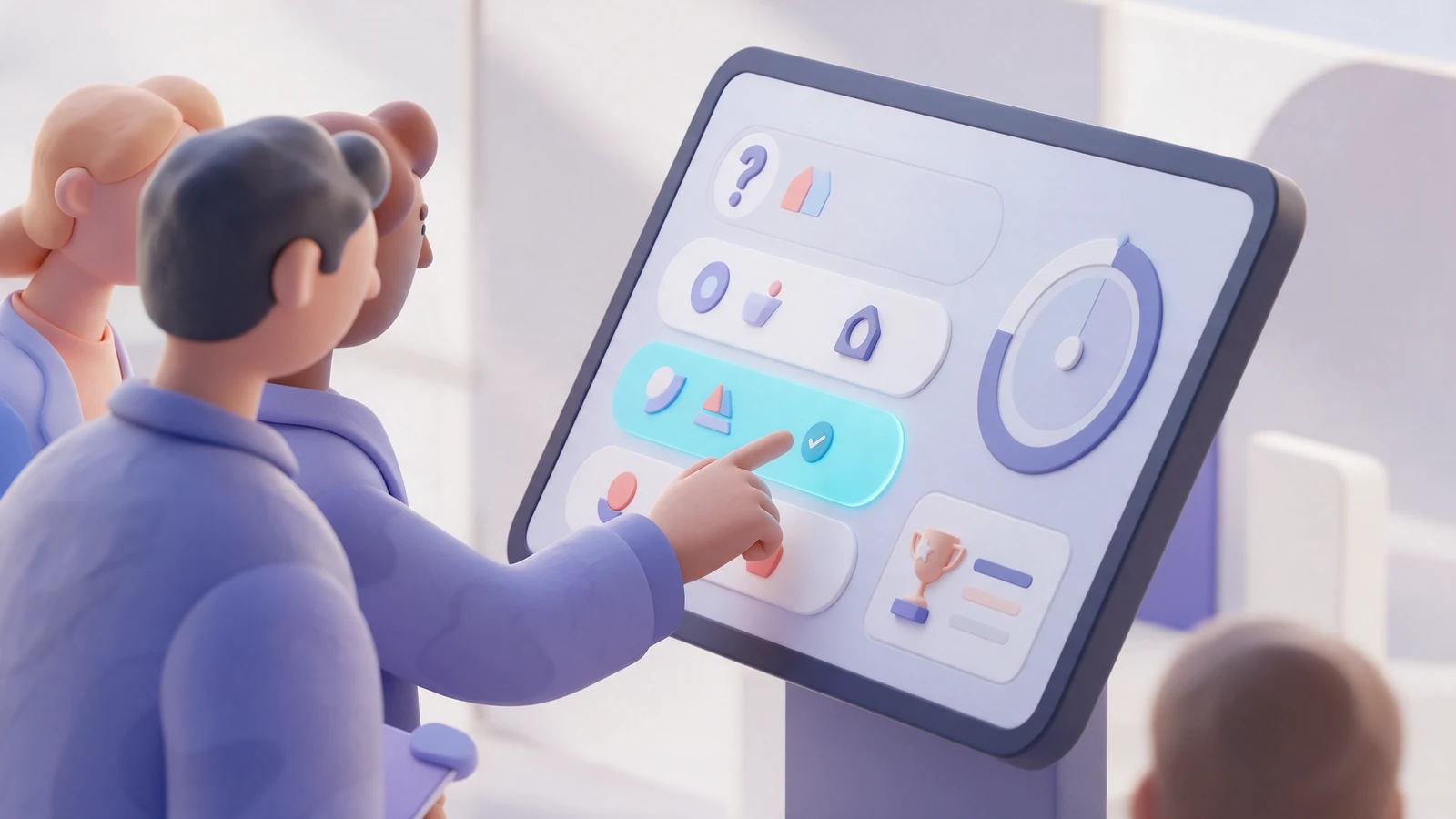
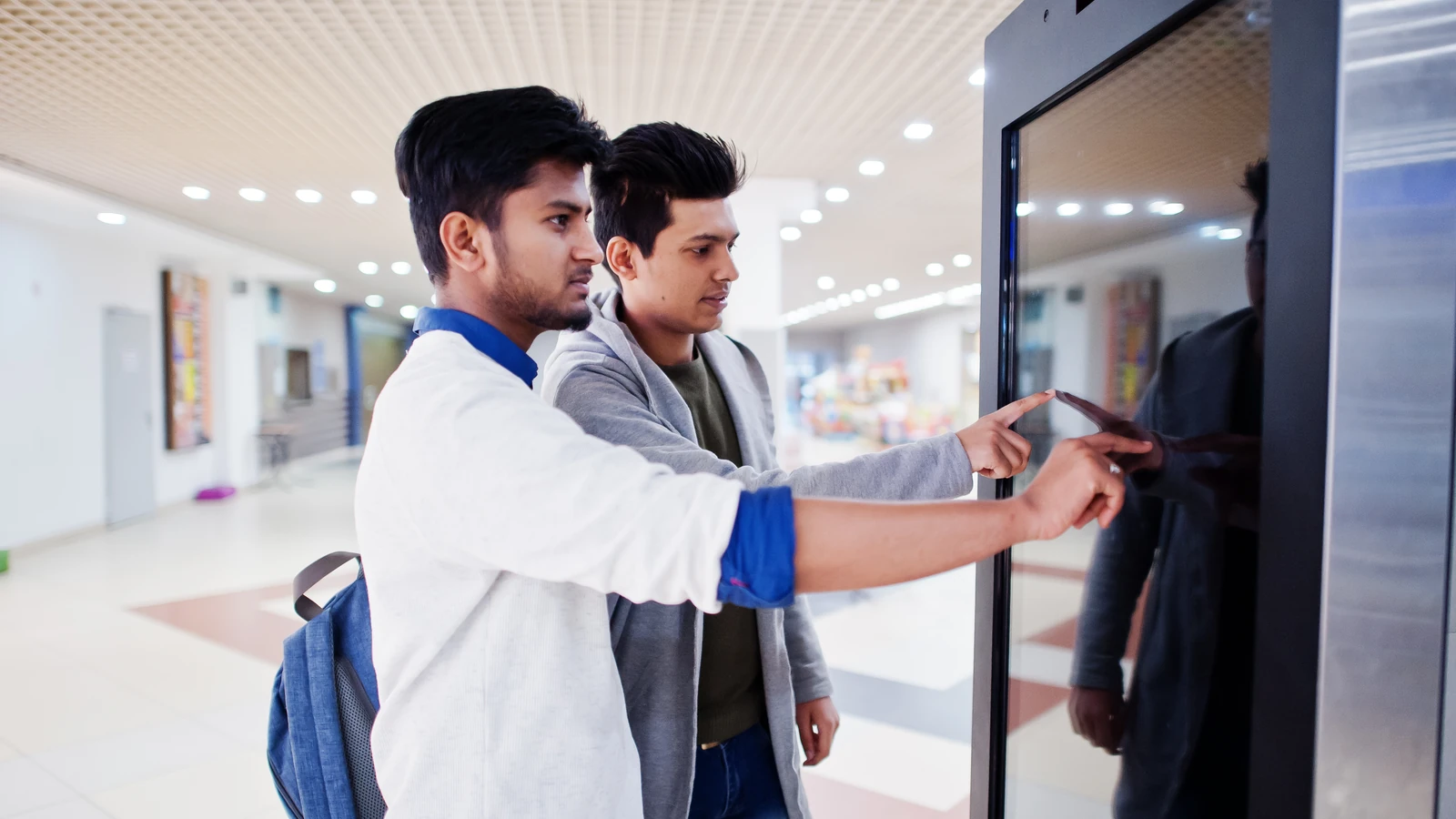
The same game can run on a touchscreen, an LED wall, or a projector, but the experience is very different. Touchscreens suit small booths and games where players choose answers. Motion sensors need standing space and suitable lighting, but they draw a bigger crowd.
JPM Media Space games run on the screens you already have. Share the screen size, resolution, and booth layout, and we design for the distance people actually stand from the screen.
More than footfall: leads and a summary
A game is the best moment to ask for details, because people already want to play. We can add a sign-up form or QR scan before play, with the PDPA consent step you approve. After the event, you get a summary of players and engagement to plan your next one.
Budget, brief, and timing
Once you have a game in mind, the next questions are budget and time. Event packages start at 30,000.- for touchscreen experiences, and a game takes at least one week to make, depending on the game and content. A complete brief from the start makes the quotation accurate and gets work started sooner.
FAQ
Which game suits our brand?
Start with what you want people to remember, then compare it with the table above. Not sure yet? Send us your event theme and we’ll help you choose.
Do we need our own screen?
Yes. Packages do not include screens or projectors, but our games run on the screens you or the organizer already have.
Can the game collect player details?
Yes, with a sign-up form or QR scan before play and a PDPA consent step.